

Nasarawa Targets One Million Children In New Polio Immunisation Drive
The Nasarawa State Primary Healthcare Development Agency, in collaboration with UNICEF, has announced plans to vaccinate over one million children under the age of five during a four-day polio immunisation campaign scheduled to commence on March 28, 2026.
The vaccination exercise will be conducted simultaneously across the 13 Local Government Areas of the state as part of efforts to curb the spread of polio and strengthen public awareness about the disease.
The State Coordinator of the World Health Organisation, Dr Bosede Ezekwe, disclosed this on Thursday during a one-day media dialogue held in Lafia, the state capital.
The event brought together journalists, health experts, and key stakeholders to review the current polio situation, outline campaign strategies, and highlight the role of the media in disseminating accurate information to the public.
Speaking during the session, Ezekwe described polio as a highly infectious viral disease that primarily affects children under five years of age and can lead to lifelong paralysis or death, underscoring the importance of the March 2026 Polio Outbreak Response campaign in the state.
She explained that outbreaks of circulating vaccine-derived poliovirus often occur in areas with low immunisation coverage, noting that unvaccinated children are at the highest risk. According to her, two cases of the virus were recorded in October and November 2025, indicating that the virus remains in circulation and requires urgent intervention.
Ezekwe added that polio spreads mainly through the faecal-oral route, often transmitted through contaminated food, water, or hands, particularly in communities with poor sanitation and hygiene practices. She noted that the virus can remain in the body for weeks without visible symptoms, increasing the likelihood of unnoticed transmission.
Emphasising the importance of vaccination, she stated that there is no cure for polio, stressing that immunisation remains the most effective means of prevention. She urged parents and guardians to ensure their children receive the vaccine.
“Children require multiple doses of the vaccine to achieve full immunity. Every missed vaccination increases the risk of further spread.
“The Oral Polio Vaccine, administered as two drops into the mouth, is safe and has been used globally for decades, while the improved nOPV2 vaccine has been introduced to further reduce the risk of mutation,” she said.
Also speaking, media consultant Dr Kalu Idika highlighted the critical role of journalists in promoting public health awareness, describing the media as an essential link between health authorities and the public.
He emphasised that accurate and timely reporting is vital in shaping public perception, promoting preventive health practices, and building trust in healthcare interventions, urging journalists to counter misinformation and misconceptions about vaccines.
Stakeholders at the meeting reiterated their commitment to ensuring the success of the campaign, noting that the active involvement of the media is essential to achieving the target of immunising more than one million children across the state.
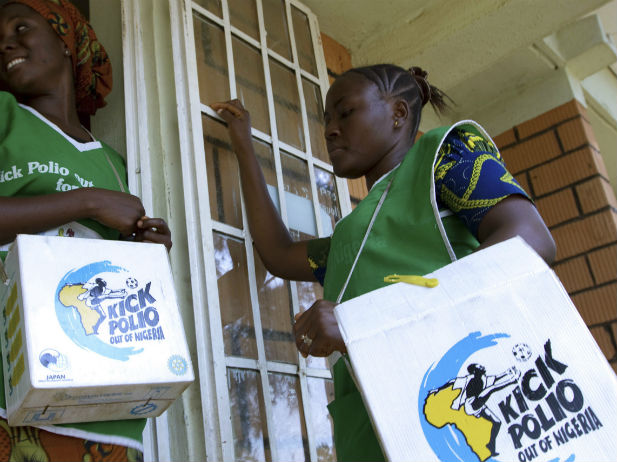
The campaign targets children aged 0 to 59 months, with trained health workers expected to conduct house-to-house visits and outreach at strategic community locations to ensure wide coverage and improve access to vaccination services.