

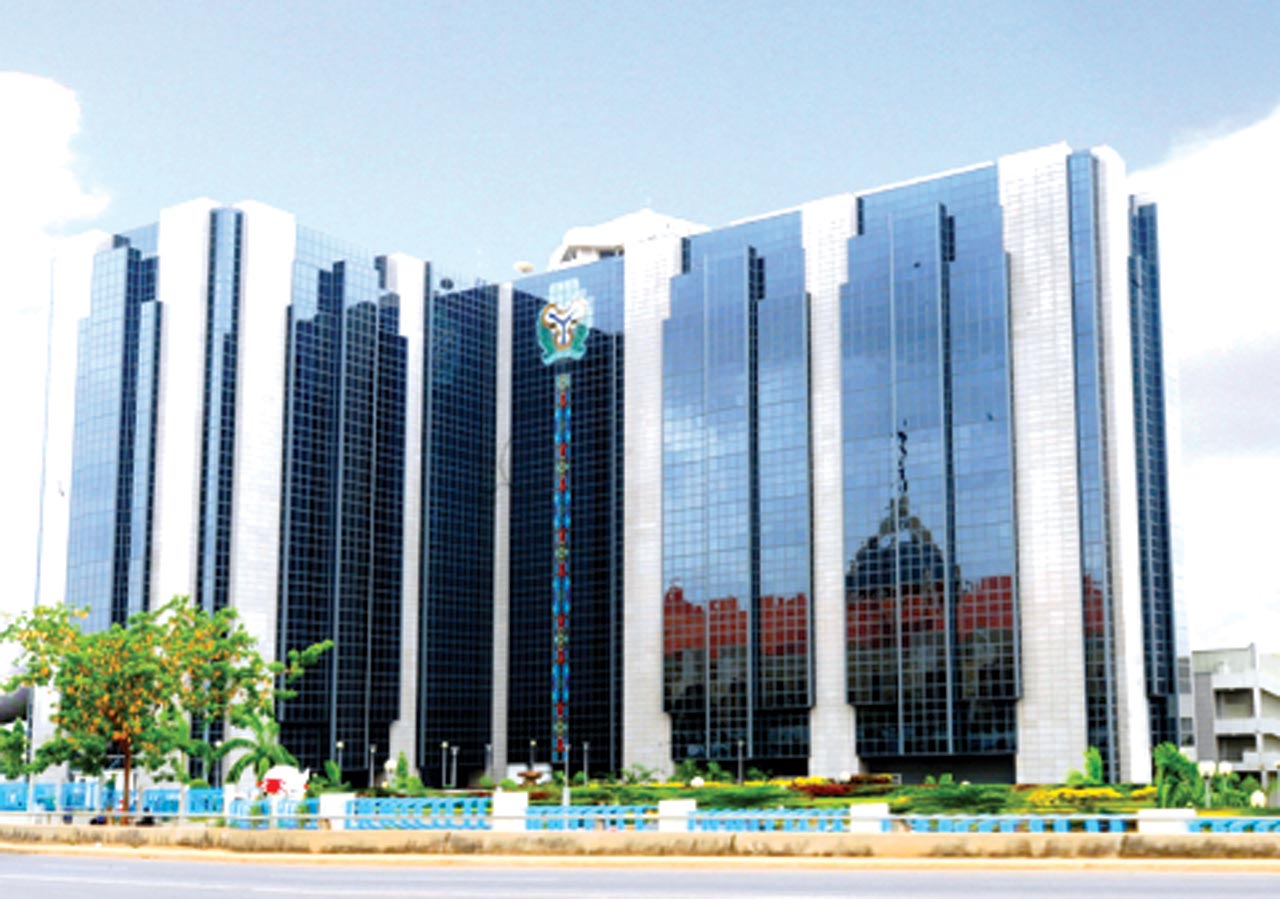

CBN Stands Firm On LDR Policy To Curb Inflation
The Central Bank of Nigeria has again justified its reliance on the Loan Deposit Ratio to control the country’s rising inflation.
The apex bank also said it is ready to do whatever it takes to reduce the inflation rate.
The CBN’s Acting Director of the Banking Supervision Department, Dr Adetona Adedeji, disclosed this in ‘CBN Talk Today’, a podcast recently uploaded to the bank’s website titled “Loan to Deposit Ratio Adjustment.”
CBN had reduced the LDR of banks from the previous 65 per cent to 50 per cent, a move the regulator said would stabilise the economy.
Adedeji said the use of LDR as a control measure for inflation started in 2019 when it was observed there was a massive slowdown in credit growth.
“This policy was created to ensure that money flows into the real sector of the economy. The LDR then was set at 60 per cent, and later increased to 65 per cent before it was last week reduced to 50 per cent. And if you want to combat inflation using the orthodox method, you need to balance what you do with the monetary policy tools and other measures,” he said.
Speaking about the nexus between the LDR and rising inflation, he said the last Monetary Policy Committee decided to purge the financial system of excess cash by raising Monetary Policy Rate.
At the last MPC, the bank raised the MPR by 200 basis points to 24.75 per cent from 22.75 per cent; and adjusted the asymmetric corridor around the MPR to +100/-300 basis points.
He explained that although the MPC decision limited the ability of bank customers to take loans and reduce the volume of loans accessed by borrowers, it also limited the volume of cash in circulation, a move he noted is good for the financial health of the country noting that any policy that enables banks to lend more, will indirectly increase the money supply and raise the inflation rate.
“There is an inverse relationship between loan-to-deposit ratio, monetary policy rate, and cash reserve ratio. If you are going contractionary, you have to increase both the Monetary Policy Ratio and Cash Reserve Ratio. But to achieve your results further, what you need is to reduce the LDR to control inflation, and that was what the CBN did,” he said.
Explaining further, he said that when the money supply is reduced, the interest rate will also go up.
“The contractionary measure of the CBN means that it wants to reduce money supply. And when an economy is experiencing inflationary pressure as it is currently with Nigeria, it is the duty of the apex bank to ensure price stability.
“To achieve this, the apex bank uses diverse means including the option of adjusting the money supply, the best option is to bring down the LDR to ensure that banks’ ability to lend more to the economy and circulate more cash is reduced,” he said.
While acknowledging the adverse effects of the policy, Adedeji said there must be a trade-off for the economy to move forward.