


Nigeria Loses 400,000 Hectares Of Forest Yearly To Deforestation -Charcoal Dealers
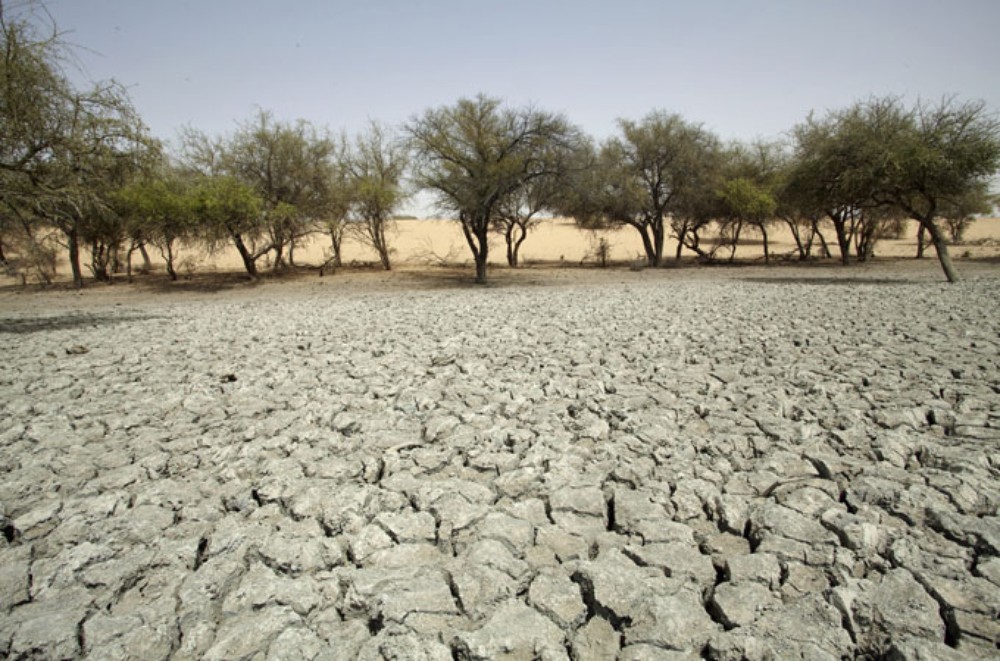
Nigeria is losing an estimated 400,000 hectares of forest cover every year to unchecked deforestation, a trend that stakeholders in the charcoal sector say threatens not only the industry but also the country’s environmental commitments.
Speaking at a stakeholders’ meeting in Abuja on Thursday, the National President of the National Charcoal Producers, Dealers, Exporters, and Afforestation of Nigeria, Babatunde Edu, described the situation as alarming and urged urgent enforcement of compliance across the sector.
Edu said, “We gather not merely to discuss, but to act. The charcoal sector in Nigeria stands at a critical juncture. On one hand, we recognise its economic value as a source of livelihood for millions, and as a significant contributor to trade and investment.
“On the other hand, we are confronted by increasingly unhealthy practices, reckless exploitation, and lack of compliance to the established guidelines.
“Nigeria loses an estimated 400,000 hectares of forest cover every year, primarily due to agricultural expansion, unsustainable logging, and related pressures.”
Edu warned that if these destructive practices continue, afforestation efforts would be undermined and Nigeria’s international reputation would be at stake.
“If these unhealthy dealings continue unchecked, our sector will be crippled, afforestation efforts will be undermined, and national and international confidence in Nigeria’s environmental sustainability commitments will be eroded,” he stressed.
Highlighting the scale of the challenge, he revealed that Nigeria has already lost over half of its forest cover between 1990 and 2020, with up to 70–80 per cent of original forest reserves depleted.
The primary drivers, he said, remain agricultural expansion, industrial development, urbanisation, and farming, with illegal logging also contributing significantly.
Edu further cautioned that Nigeria’s position in global trade could be jeopardised by the European Union’s new deforestation regulations, which from December 2025 will require commodities such as soybeans, cocoa, coffee, palm oil, and wood to be sourced only from non-deforested lands.
“We cannot ignore the reality. The EU has moved ahead with stricter rules, and if we fail to enforce compliance here, Nigerian products will face rejection abroad. Compliance is not optional; it is the bedrock of legitimacy both locally and internationally,” he noted.
On the proposed executive ban on charcoal export, Edu disclosed that the Presidency had stepped in to review the matter.
“The Presidency has intervened and directed both the Ministry of Trade and the Ministry of Environment to carefully review all concerns. The clear intention is not to impose a blanket ban but to ensure the sector is better regulated and aligned with national and international standards,” he explained.
Calling for tougher action, Edu proposed the establishment of a Joint Task Force to enforce compliance, curb illegal practices, and protect legitimate stakeholders. He also emphasised the need to stop foreign dominance in the trade, which violates the Federal Executive Council’s directive against foreigners buying produce at farm gates.
“This is not the time for lip service. This is the time for decisive action. If we do not enforce compliance today, there will be no sustainable future for our business and no viable charcoal industry for the generations to come,” he said.