


Doctors Demand Public Ranking Of Govs On Healthcare Performance
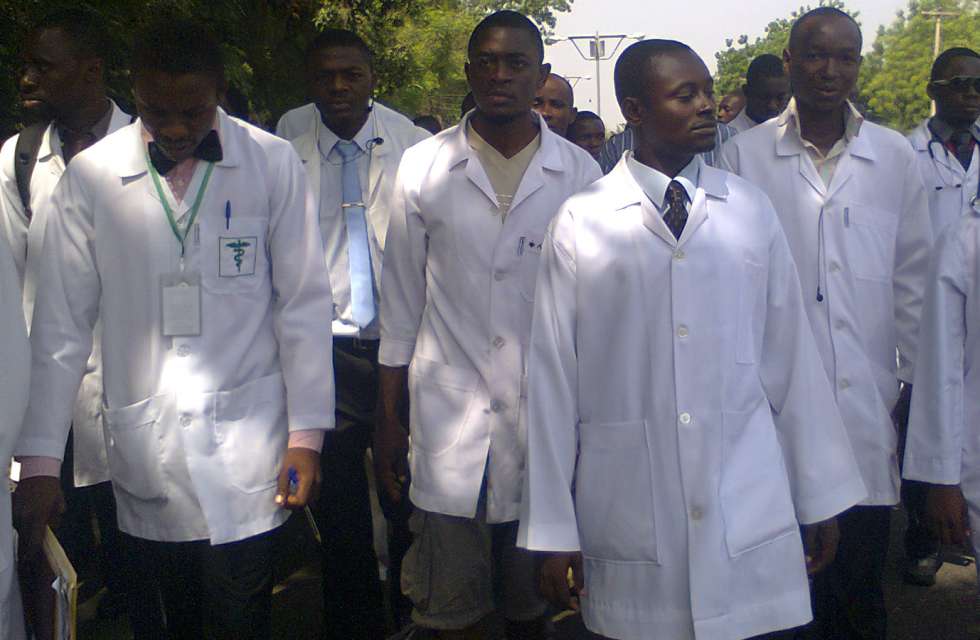
Medical doctors have called for the public ranking of governors and states based on health outcomes, saying such a system would promote accountability and encourage greater investment in healthcare delivery.
The physicians argued that assessing state governments using indicators such as maternal and child mortality, immunisation coverage, primary healthcare performance and disease control would provide a clearer picture of their commitment to improving citizens’ health.
They noted that making the rankings public could foster healthy competition among states and drive evidence-based policymaking.
The President of the Nigeria Medical Association, Prof. Afekhide Omoti, said healthcare failure should not primarily be that of the Federal Government alone.
He said the country must strengthen the state and local governments’ responsibility in financing healthcare.
“Healthcare failure is not only a federal problem. Many primary healthcare centres are under the state and local governments, but remain abandoned.
“States should match federal healthcare interventions, local governments should begin publishing PHC spending reports, governors should be assessed publicly on health outcomes, while federal allocations for health should be tied to measurable performance. Nigeria cannot centralise all blame in Abuja while states neglect frontline healthcare,” he said.
He urged relevant government agencies and health institutions to develop transparent performance assessment frameworks and publish regular scorecards on state health outcomes.
Omoti stressed that measuring and publicising progress is essential to improving health systems and accelerating Nigeria’s journey towards universal health coverage.
Omoti, who spoke on the effect of shrinking donor funding and poor release of budgetary allocation to health, said it was time for states and local governments to fully contribute to the healthcare of their residents.
The NMA president also said that the government should enforce full and timely budget releases to the healthcare sector.
“One major problem is that ministries and hospitals receive partial releases long after budgets are passed. We have observed that the problem is no longer only about budget allocation; it is now fundamentally about budget credibility, release efficiency, and accountability.
“Nigeria can decide to announce ambitious health budgets every year, but if funds are not fully released, poorly utilized, or diverted through bureaucratic bottlenecks, the health sector will continue to deteriorate,” he said.
According to him, the government must move from symbolic budgeting to enforceable health financing reforms.
“Critical healthcare funding should be treated like debt servicing and national security obligations. This means that certain health expenditures, especially primary healthcare, immunization, emergency response, and salaries, should receive automatic statutory releases,” he said.
He said that releases for healthcare funding should not depend on political discretion or quarterly cash-flow politics.
“Healthcare cannot remain the first victim whenever revenue falls short,” he said.
The NMA president said Nigeria’s heavy reliance on oil revenues to fund public services has made healthcare financing unstable.
He called for increased diversification of health financing through increased domestic resource mobilisation and expanded health insurance coverage, among others.
Although the FG finances healthcare through a combination of direct budgetary allocations, mandatory health insurance, the Basic Health Care Provision Fund, and tax-based revenue, donor funding is still used for some health services.
But the funding cuts by the Donald Trump administration in January 2025 are affecting many health services largely funded by donors in Nigeria.