

FG To Review N70,000 Minimum Wage – Gbajabiamila
The Federal Government has signalled plans to review the national minimum wage, stating that the current N70,000 benchmark no longer reflects prevailing economic realities.
The move comes less than two years after President Bola Tinubu signed the new minimum wage into law, raising it from N30,000 and shortening the review cycle from five years to three years.
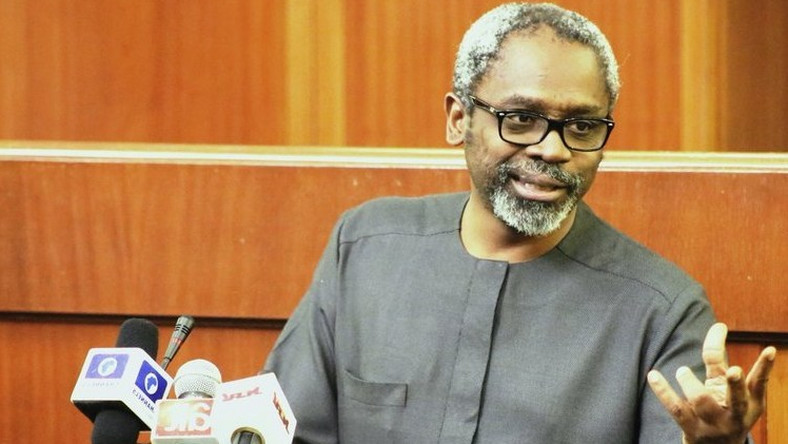
Chief of Staff to the President, Femi Gbajabiamila, disclosed this on Thursday at the Good Governance Summit 2026 organised by Working People United (WoPU) in Abuja.
He said the administration recognises that the cost of living continues to rise and that workers deserve wages that keep pace with economic conditions.
“This administration has delivered a new national minimum wage. In July 2024 President Bola Tinubu signed into law a minimum wage of N70,000 naira, with more than double the N30,000 naira that workers had endured for years and recognising that the cost of living does not stand still, the President reduced the strategic review cycle from five years to three years, so that wages may keep closer pace with economic reality.
“The N70,000 wage, which was a milestone in 2024 must be honestly reassessed against today’s realities, and I can confirm to you that when the time comes to begin the process of reviewing the national minimum wage, this administration will approach that endeavour not as an adversary of labour, but as a partner,” she said.
Gbajabiamila also urged organised labour to sustain dialogue with government, stressing that cooperation rather than confrontation would deliver better outcomes for workers and the economy.
Minister of Labour and Employment, Muhammad Dingyadi, said the impact of government policies on workers remains the true measure of governance.
According to him, policies must go beyond official documents and translate into improved living standards, productivity, social protection and economic opportunities for citizens.
“Governance is not merely about policies written in documents or programmes announced from government offices, the true measure of governance is the extent to which policies translate into improved livelihoods, decent work, increased productivity, social protection, economic opportunities, and dignity for the working people,” the Minister said.
National Coordinator of WoPU, Williams Akporeha, said workers remain the backbone of the country’s economy and development efforts.
According to him, “There’s no economy without the working people, there’s no productivity without the working people, and there’s no national development.”
He described the summit as a rare gathering of workers across different sectors, united by a common vision to advance national growth and improve the welfare of Nigerians.