


Mpox Still Actively Circulating In Nigeria- Ex-Minister
Former Minister of Health, Prof Isaac Adewole has warned that Nigeria must not assume the battle against mpox is over, insisting that the virus is still actively circulating across the country despite improvements in surveillance and case management.
His warning was reinforced by leading public health scientists, including Prof Richard Adegbola, Dr Sebestine Oiwoh, and Victor Erunkunakpor, among others, who agreed that mpox remains a global and national public health challenge requiring coordinated action.
The experts shared strong concerns based on clinical and community-level experience, cautioning that complacency could allow the virus to become permanently established in Nigeria.
In his submission during the webinar on Mpox, Prof Isaac Adewole emphasised the evolving nature of infectious diseases in Nigeria, drawing parallels with other outbreaks.
“When we have an outbreak, it gets complicated and then settles down. That is frightening,” he said.
Four days ago, he recounted, he had spoken with the Director-General of NCDC, who was managing seven active outbreaks simultaneously. Adewole warned that mpox could soon become “a native of Nigeria” if the country does not act swiftly, as Lassa fever has transitioned from seasonal to year-round transmission.
Adewole emphasized the need to strengthen vaccination programs, especially for health workers, and to protect those at heightened risk. “No one should sleep and think they are immune. We need to scale up vaccination and post-infection containment.
He highlighted the speed with which infections can spread across the country, noting that “in five hours, you can reach Lagos from Calabar, and another five hours to Sokoto. No one should assume immunity.”
Adewole also drew attention to recent studies on mpox transmission, particularly in non-exempt communities, emphasising the need to scale up vaccination, especially for healthcare workers, and strengthen post-infection containment measures.
Adewole highlighted the need to protect those at highest risk, including healthcare workers, and warned that the country should act before restrictions, such as mandatory testing for travelers, become necessary.
Adewole said: “We cannot sleep. The virus is finding its way across communities, and Nigeria must act decisively to prevent it from becoming endemic.”
Speaking, Victor Erunkunakpor echoed the call for urgent action, focusing on practical measures to prevent the virus from becoming endemic.
He warned that mild cases could go unnoticed, allowing the virus to move silently between people. “We need to scale up vaccination, particularly for health workers, and classify those at heightened risk to protect them,” he said.
He also highlighted the role of ambassadors—people who have recovered and can reassure communities—stressing that survivors are crucial in reducing fear and stigma.
Erunkunakpor added, “Investment in vaccination, surveillance, and community education is our best defense.”
In his presentation, Prof Richard Adegbola placed the outbreak in a broader public health context, noting that mpox, like other infectious diseases, requires a combination of clinical care, community engagement, and accurate public awareness.
He emphasised the psychological and social dimensions of disease management, noting that stigma often begins with misperceptions at the community level.
“If people don’t understand the disease, the actions that follow perception are where stigma comes in,” Adegbola explained.
He urged continued investment in laboratory capacity and community education to ensure accurate information reaches every corner of the country.
Adegbola noted that understanding social determinants of health, including poverty and access to care, is vital for controlling mpox and other emerging infections.
Also speaking, a Dermatologist, Dr Sebastine Oiwoh drew from his clinical and community experience, tracing Nigeria’s mpox response back to 2017.
He recounted treating patients via tele-consultation at Niger Delta University Children’s Hospital and later collaborating closely with NCDC. “Being at the bedside is not enough; clinical experience must translate into community-level action,” he said.
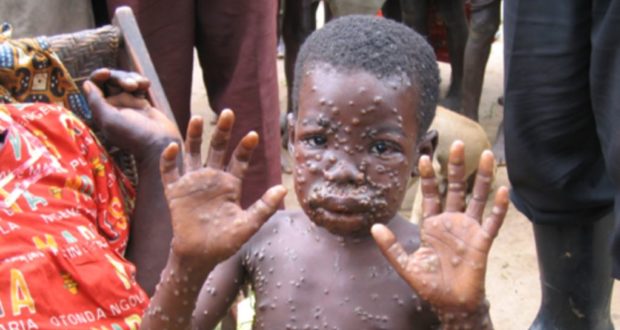
Oiwoh highlighted the lasting impacts of mpox, including cutaneous sequelae such as scars and hyperpigmentation, and the psychological and social burden patients face even after discharge.
He stressed the importance of home-based care protocols and the need for hospital escalation when necessary. Patients with non-complicated cases can be safely managed at home, but operational factors, including housing conditions and access to healthcare workers, play a critical role.
Oiwoh also highlighted risks of ocular involvement, noting that lesions affecting the eye require immediate hospital intervention to prevent blindness.
Oiwoh’s experience has also underscored the value of digital health technologies. Tele-dermatology and digital reporting systems have allowed him to monitor outbreaks, guide sampling for laboratory testing, and support genomic sequencing.
He called for expanded community engagement and public health education to counter misinformation and stigma, noting that survivors can play a key role in promoting awareness and confidence in vaccination.
The experts stressed that mpox management requires coordinated national and international collaboration. Vaccination, laboratory capacity, clear treatment protocols, and community-level education were repeatedly cited as urgent priorities.
The webinar also highlighted the importance of research and data collection.
Oiwoh mentioned ongoing clinical trials and post-exposure prophylaxis programs in Nigeria, emphasising that systematic data collection will improve treatment protocols and inform public health strategies.
The experts warned that complacency could have serious consequences. Mpox is no longer a distant threat but a present reality.
Oiwoh echoed the sentiment, urging that clinical experience, research, and community engagement work hand-in-hand to mitigate the short- and long-term impacts of mpox on Nigerians.
The consensus among the panel is clear: vigilance, rapid response, and community-centered strategies are essential to prevent mpox from taking permanent hold in Nigeria, and the time to act is now.