

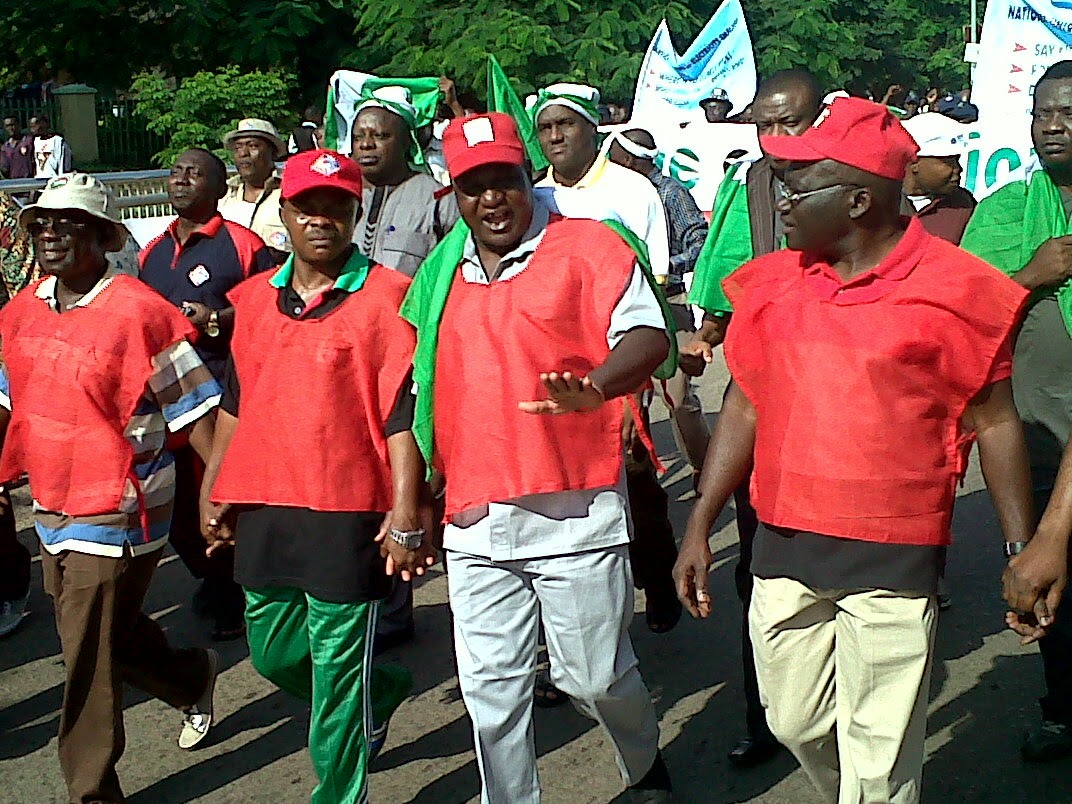

NLC, Civil Society Decry Cut In Health, Education Budgets
The decision to reduce the 2020 budget of the social sub-sector such as health, education and agriculture in the face of economic hardship that COVID-19 has imposed on the global economy may backfire.
The Labour-Civil Society Situation Room on Covid-19 said in Abuja that it is worried about the decision to downsize the budgetary provisions for health, education, agriculture and infrastructure and freeze new recruitments in all the Ministries, Agencies and Departments of government except those in the health and security sectors.
It stated that such a step would make economic recovery from the Covid-19 crisis more difficult, even as it expressed worry that the over-padded emoluments of political leaders in Nigeria remain untouched, including their unregulated access to security votes in the face of COVID-19 pandemic.
The group also bemoaned the incongruities in Nigeria’s public budgeting system, saying: “The persistence of unwieldy recurrent expenditure, replication of similar cost centres, and insertion of vague cost items in the budget indicate an entrenched and thriving culture of official sleaze through budgeting.”
It expressed palpable fear about resorting to increased foreign borrowing as a way out of the current economic quagmire, saying, “just before the Covid-19 pandemic in Nigeria, Nigeria’s external debt had hit a 16-year high of $27billion with a debt servicing commitment of $1.5billion per annum, which is about five per cent of our 2020 federal budget, and 75% of our external reserves. It is of great concern that our current total debt profile is almost at par with what we owed the Paris Club before the debt amnesty of about $18billion from a total debt stock of $35.994billion. CBN records show that the Federal Government borrowed over N4.4trillion by ways and means in 2019. This is far beyond the maximum of N4.5billion allowed in CBN legal statutes.”
The group said it is also concerned about the debt crisis facing the private sector, noting that the withdrawal of labour from the production chain owing to Covid-19 meant that loans sourced for production have been lying idle or are trapped as raw materials without value beneficiation.
The coalition added that while this situation once again re-echoes the fact that labour is the real creator of surplus-value and wealth, it is important for the government to address the debt challenge to save jobs.