

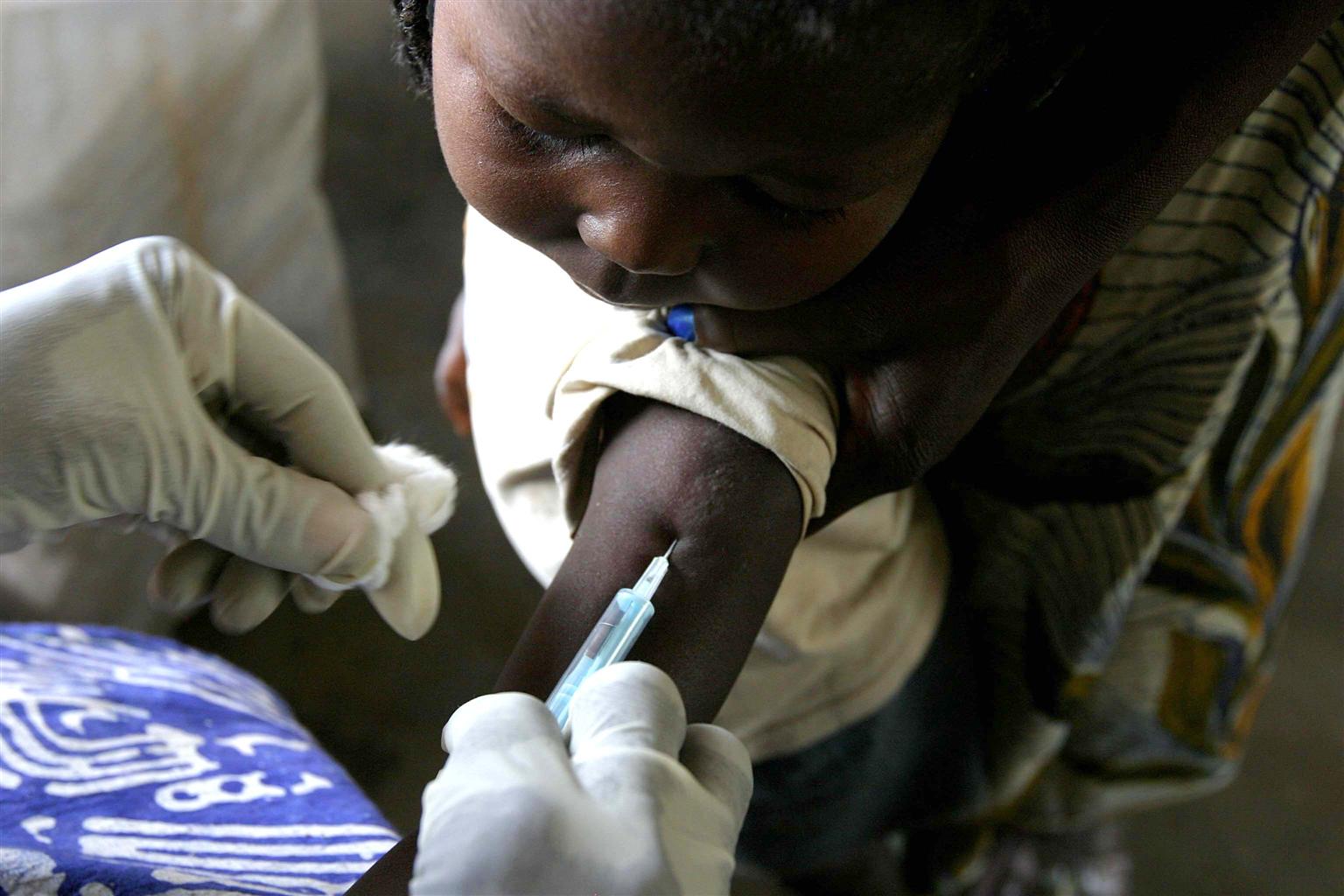

Fulani Residents In Kogi Reject Measles, Polio Vaccines
Some Fulani residents in Kogi State have rejected the ongoing Measles, Polio, and HPV vaccination being administered to children and young girls under the state’s 2025 Integrated Immunization Campaign.
A visit to Kabba/Bunu Local Government Area revealed that while the exercise recorded high compliance among indigenous residents, it faced stiff resistance from Fulani communities.
Speaking on the development, the Local Government Immunisation Officer, Mr. Atyodele Raphael, said the situation was affecting efforts to meet vaccination targets.
“Despite using interpreters who speak their language, we are surprised by their repeated resistance. Most Fulani women insist that we must get permission from their husbands before vaccinating their children, but many of the men are away.
“Even when we ask them to inform their husbands and return later, most of them still refuse. Only a few families allow us to proceed,” he explained.
Raphael added that the council is intensifying awareness campaigns among Fulani groups, expressing optimism that more families would consent before the exercise ends. He noted that Kabba/Bunu LGA is targeting 66,000 children for immunization.
Flagging off the campaign at Kpata Primary Health Centre in Lokoja, Governor Usman Ododo said the initiative underscores his administration’s commitment to safeguarding the health and future of Kogi children and adolescents.
He described the exercise as a significant step toward eliminating vaccine-preventable diseases and protecting girls against cervical cancer through the Human Papillomavirus, HPV, vaccine.
“The vaccination campaign represents our renewed commitment to life, health, and the future of Kogi State,” Ododo said. “These vaccines are free, safe, and effective, and no child should be left behind.”
He urged parents, caregivers, and community leaders to support the campaign and commended partners such as UNICEF and health workers for their dedication to improving the well-being of Kogi citizens.
Commissioner for Health, Dr. Abdulazeez Adams Adeiza, praised the governor’s leadership and acknowledged growing community support for revitalizing Primary Health Centres across the state.
Also speaking, the Executive Director of the Kogi State Primary Health Care Development Agency, Dr. Mu’azu Musa Omeiza, announced that the campaign targets 1.9 million children aged nine months to 14 years for Measles and Rubella vaccination, with additional coverage for Polio and HPV.
He noted that the campaign, running from October 6 to 15, is supported by UNICEF and other development partners.