

Primate Warns Graft, Narcotics Choke Nigeria’s Growth
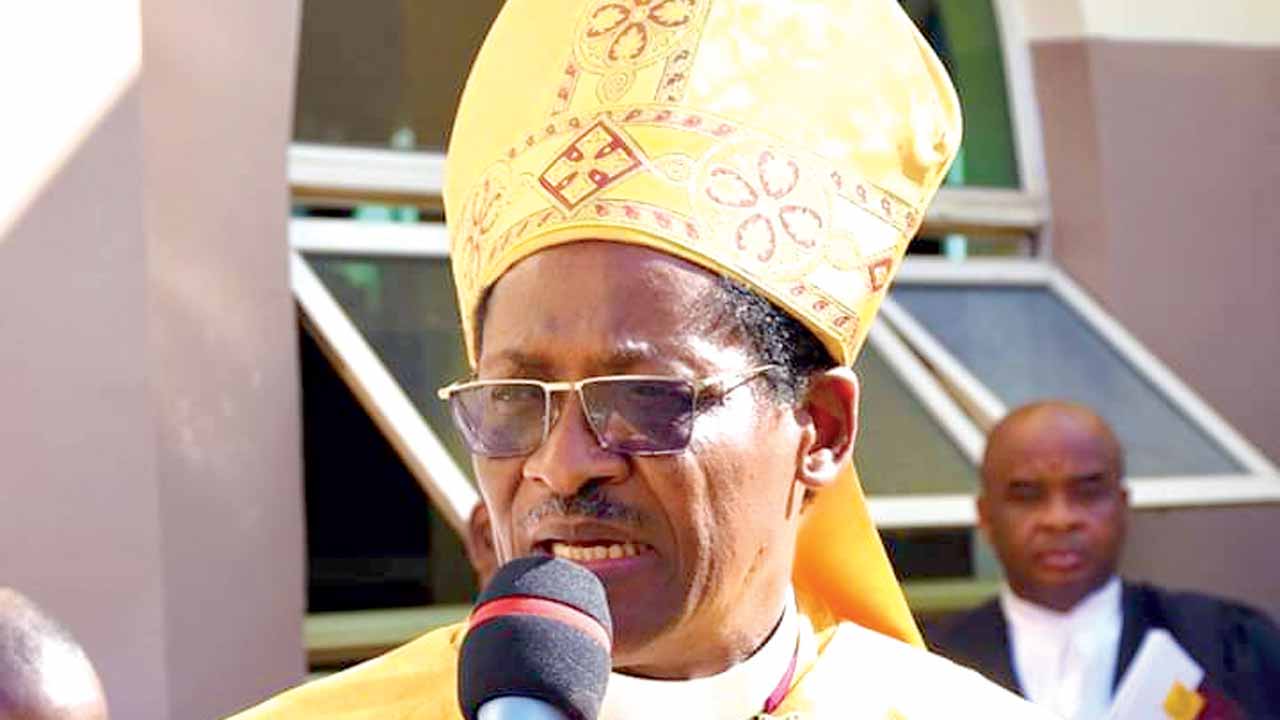
The Primate of the Church of Nigeria Anglican Communion, Most Revd Henry Ndukuba, has warned that corruption, drug trafficking and addiction have emerged as the three gravest forces undermining Nigeria’s development since independence.
Delivering his presidential address at the Standing Committee Meeting of the Church at St Stephen’s Anglican Church in Osumenyi, Anambra State, Ndukuba said endemic corruption had “lived and festered” in national life, eroding institutions, distorting opportunity and impoverishing millions.
“Corruption flows freely – from the padding of budgets to the actions of the ordinary person in the street,” he said, noting that graft had become normalised across both public and private spheres.
The Primate criticised the Church itself for what he called creeping “simony and monetisation of services,” lamenting that volunteerism and communal sacrifice were disappearing from congregational life. He urged faith leaders to model integrity before demanding accountability from the government.
According to Ndukuba, corruption had also worsened youth unemployment, as lawmakers and political intermediaries allegedly diverted contracts meant for local contractors, weakening enterprise and deepening poverty.
Turning to organised crime, he warned that Nigeria risked sliding from a drug transit corridor into a major hub of narcotics production and trafficking. “Drug consumption and addiction is becoming an epidemic,” he said, linking substance abuse to insecurity, violent crime and family disintegration.
“Drug addiction attacks mental health, the economy and family wellbeing. It spares no class, age or faith. The Church must continue to fight trafficking and abuse in our society,” he added.
Ndukuba further cautioned against the rise of youth gangs and street violence, saying cultism and ritual crimes had penetrated universities and neighbourhoods, threatening social cohesion. He described such trends as “ungodly spiritual and social authorities” that must be dismantled through moral renewal and effective governance.
Observers at the meeting said the address reflected growing concern among religious leaders over the nexus between corruption, organised crime and insecurity, and the impact on Nigeria’s fragile economic recovery.
Analysts note that Nigeria’s anti-corruption drive has seen periodic reforms, yet enforcement gaps, weak institutions and poverty continue to fuel illicit economies. The clergy’s intervention, they say, underscores the need for civic responsibility alongside policy reform.
For many delegates, Ndukuba’s message was less a sermon than a national call to conscience – urging citizens, leaders and the Church alike to confront what he called “the monsters that have crippled our progress.”