

Tinubu Tax Panel Asks States To Suspend Low-revenue Taxes
The Presidential Committee on Fiscal Policy and Tax Reforms says it is meeting with state governors in order to reach an agreement for states to suspend some low-revenue taxes.
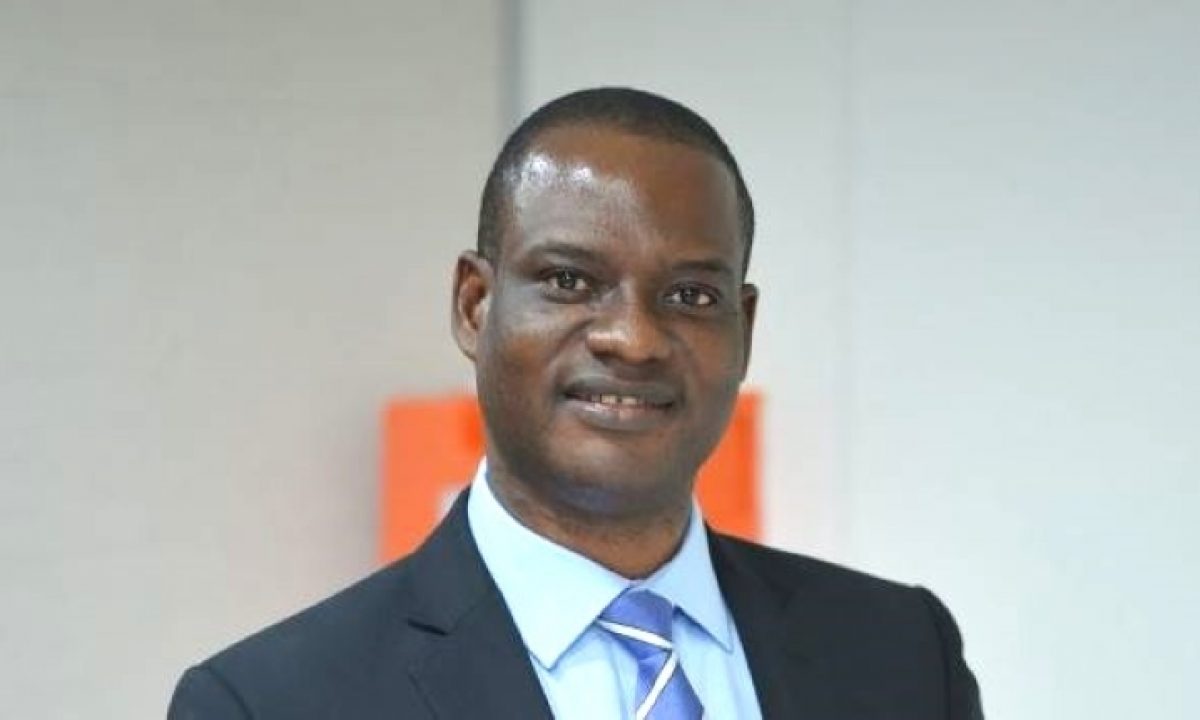
The Chairman of the committee, Taiwo Oyedele, stated this during an interview on Channels Television on some of the initiatives of the committee.
The tax panel was inaugurated by President Bola Tinubu a few months after assuming office. Among other things, the panel is expected to champion tax reforms and help the nation to raise the much-needed tax revenue to enhance economic growth and development.
Oyedele, during the interview, said the low-revenue taxes, which he described as “nuisance taxes” were not adding value to the state’s coffers.
Nuisance tax is a fee imposed as a percentage of the selling price of goods or services.
The tax panel chairman lamented that most of the taxes especially those imposed on the transport of goods from the North to the South and vice versa were negatively affecting the poor.
He said, “We are asking states to suspend nuisance taxes that just create problems, with very little revenue to show for it. We are already meeting with their governors, and in some cases, we have set up small committees to discuss with their teams. So once the thing is signed, there won’t be any excuse, it is to be implemented the next day”
He revealed that despite the widespread collection of certain taxes, the returns were not reaching government coffers.
The tax panel chair also expressed concern over local governments reporting less than N50bn in revenue collection for 2022, citing data from the National Bureau of Statistics.
Oyedele, in a bid to address these challenges, shared updates on the committee’s progress.
He announced that the Emergency Economic Intervention Bill, a pivotal component of the tax reform strategy, is expected to be submitted to the Federal Executive Council for approval.
He said that following the FEC endorsement, the bill would then proceed to the National Assembly.
Oyedele affirmed that the tax reform bill was expected to pass through the National Assembly and receive presidential assent by the end of the first quarter.
Multiple taxations have created significant challenges for businesses with several companies paying various taxes and levies by different levels of government.
The Presidential Fiscal Policy and Tax Reforms Committee was inaugurated on August 8, 2023, with the mandate of addressing these issues.
Meanwhile, President Bola Tinubu on Sunday advocated a speedy review of global taxation describing this as a sustainable way to redress the imbalance in the international tax regime.
Tinubu made the call when he addressed his counterparts at the third South Summit of the Group of 77 and China, which opened on Sunday in Kampala, the Ugandan capital. The Summit is themed ‘Leaving No One Behind.’
“The current international tax systems, largely shaped by the interests of more affluent nations, often leave developing countries at a disadvantage, especially in taxing digital economies.
“This systemic imbalance has led to significant revenue losses, hampering our efforts towards sustainable development and economic self-reliance,” argued Tinubu, who was represented by the Minister of Budget and Economic Planning, Abubakar Bagudu.
The Ministry’s Director of Information, Mrs. Folasade Boriowo, revealed this in a statement she signed on Sunday titled ‘President Tinubu calls for review of the global tax system, affirms commitment to multilateralism.’
The Nigerian President affirmed the country’s belief in and commitment towards multilateralism to address global challenges, adding that international taxation has become a pressing issue because it impacts developing countries.
In response, Nigeria, alongside other Member States of the African Group, championed a historic initiative at the United Nations calling for a Framework Convention on Tax.
He said this resolution marks a pivotal step towards establishing a more equitable and inclusive global tax system.
Expressing Nigeria’s appreciation to all the countries that supported the global tax review initiative, President Tinubu said their solidarity reflects “our shared commitment to rectifying the inequities of the current tax system and fostering a more just economic order.”
While reaffirming Nigeria’s commitment to South-South economic collaboration, he highlighted the critical role of the Action Committee on Raw Materials of the G-77, established in 1987, for enhancing cooperation in developing and processing raw materials.
He advocated the revival of the ACRM, acknowledging the importance of comprehensive data on raw material availability and location.
“This is crucial for coordinated information dissemination, facilitating access for international entrepreneurs and joint venture partners and addressing challenges in raw material development that hinder industrialisation and economic growth,” he said.