


UNICEF Engages Borno Youths To Vaccinate Zero-dose Children
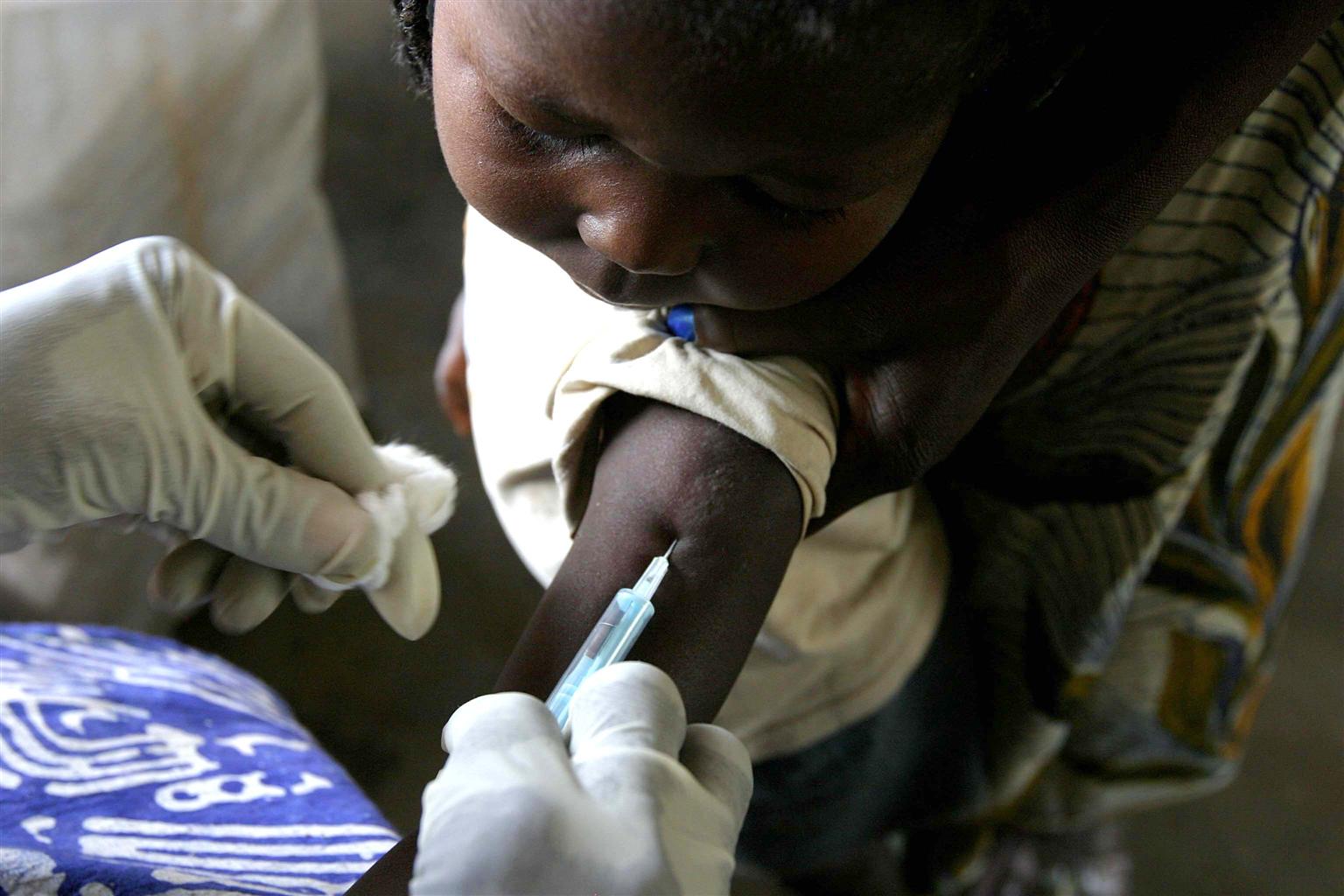
The United Nations Children’s Fund has disclosed plans to immunise zero-dose children in Borno State, using youths to campaign against resistance.
The acting UNICEF Chief of Maiduguri Field Office, Joseph Senesie, while speaking during the launching of the initiative with the theme ” Adopt-A-PHC Naija challenge” on Tuesday in Maiduguri, said the essence of the program is to reduce the number of zero-dose children across the state.
According to him, 30 youths from the community vanguard would work with health workers in Maiduguri metropolis and Jere councils of the state to drive the campaigns at 10 primary healthcare facilities.
He said the initiative targeted behavioural changes and mobilised caregivers to vaccinate their wards against childhood diseases and reduce vaccine-preventable deaths among children.
He said, “Today we adopted the innovative approach, where UNICEF is working with youth in Borno state to ensure children are vaccinated. As you all know, vaccination is critical to prevent disease, and we are talking about children who have never received vaccination, zero doses.
He noted that many children in the State are not vaccinated as a result of many reasons, including beliefs, insecurity, and accessibility.
“These children are not vaccinated as a result of various reasons including beliefs, insecurity, and hard to reach location. Even getting health workers to those locations is difficult. Therefore, UNICEF in partnership with the state primary care agencies and donors, are ensuring we work with these youths to ensure vaccination gets to every child,” he stated
While stating the choice of youths as convener of the initiative, he said, “they (youths) are within the community, they are part of the community, and the energy they have, they can reach out to them through various means. They have mapped out these areas clearly, they have a roadmap of what they want to cover already.”
Highlighting UNICEF’s role, he said, “UNICEF is providing technical capacity. UNICEF is providing the necessary financial support through donors, in particular, the Canadian International. So UNICEF is in the background, doing all the support that is needed to ensure these youths who are so vibrant in the community, can reach out to their communities to ensure vaccination rates are improved,” he reiterated.
The Adopt-A-PHC Naija challenge Project Coordinator, Abdulkadir Ahmed, highlighted that they intend to counter misinformation and disinformation about vaccines in communities across Maiduguri Metropolitan and Jere councils of the state.
“This challenge is geared toward educating and campaigning to increase vaccination in the community but then there is resistance because of disinformation and misinformation as well as the fear of the safety of vaccines. So, the youths will be using our digital approach to correct this abnormalities in our communities,” he disclosed.
Hassan Abubakar and Hajiya Yagana Shettim, Directors of Primary Health Care, Maiduguri and Jere councils respectively, commended the UNICEF for their unwavering commitment to children’s health and safety.