


Why Taiwan Should Be In WHA- Minister
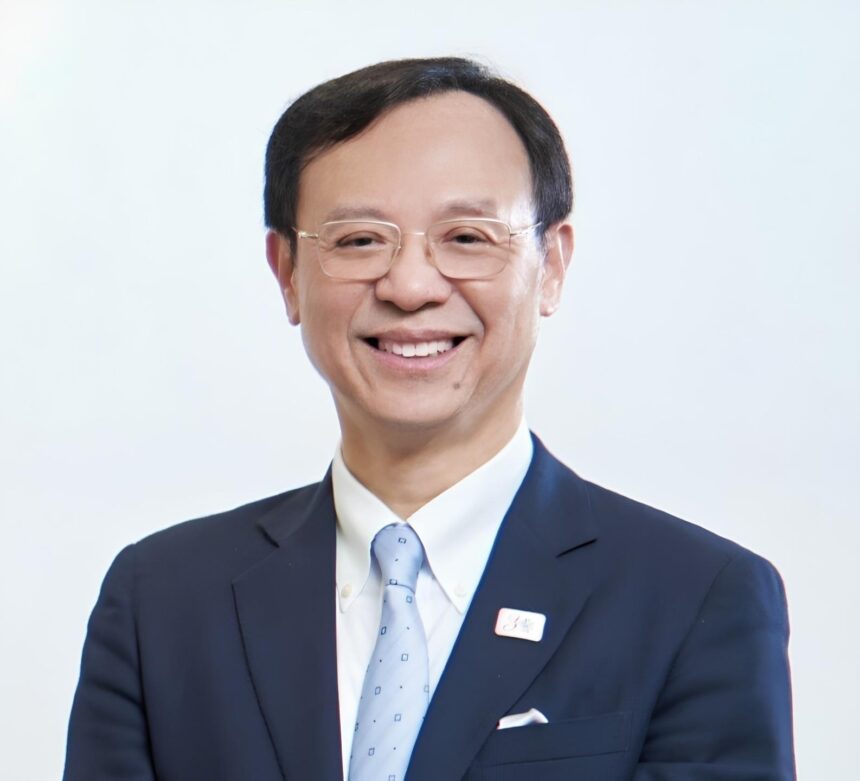
The Taiwan Minister of Health and Welfare, Dr. Chung-Liang Shih, has called on the World Health Assembly (WHA) to admit the country into the global health system.
This is coming as the 79th WHA holds its yearly meeting at the World Health Organisation (WHO) headquarters, Geneva, Switzerland, on May 18, 2026,
In a statement, the minister called on, “relevant stakeholders to support Taiwan’s inclusion in the global health system, thereby strengthening its completeness and resilience. Taiwan will continue to advance smart healthcare through digital innovation and contribute to global health and well-being.”
The minister said the country has been able to move its health system in such a way that it is today rated as one of the best in the world. He said, “As the world confronts the challenges of population aging and healthcare workforce shortages, digital transformation in healthcare is no longer optional but essential. Taiwan has introduced the “Healthy Taiwan” vision, placing “driving digital healthcare” at its core. By integrating big data, artificial intelligence (AI), and cloud technologies, the system aims to improve healthcare quality and efficiency while moving toward a new healthcare model centered on holistic, person-centered care.”
Dr. Shih added that the country was ready to share its gains from ICT industry which has helped its National Health Insurance (NHI) system with other members of the World Assembly, adding that Taiwan, “has accumulated high-quality healthcare data over time and laid a critical foundation for smart healthcare development. Building on this, we have introduced a national digital health platform known as the “3-3-3 Framework,” integrating three major health spaces, three key health data standards, and three National AI governance centers to establish a comprehensive digital health infrastructure.”
He said this framework has promoted the integration of electronic medical records across more than 400 hospitals in the country and has led them to adopt international standards such as Fast Healthcare Interoperability Resources (FHIR) to ensure cross-institutional interoperability.
Dr Shih argued that Taiwan has through technology ensured that its health system is strong and was therefore ready to share its successes with other nations. Taiwan is one of the leading countries in AI deployment and technological advancement in the world.
He wrote, “With these policies in place, tangible results are already beginning to emerge. In chronic disease management, the “Family Physician Platform” incorporates AI-based risk prediction to support physicians in delivering personalized care, facilitating a shift from reactive treatment to proactive health management. In terms of healthcare data integration, the MediCloud system provides real-time access to patient records and medication information, while enhanced visualization of examination results and AI-assisted medical imaging interpretation further improve healthcare quality and patient safety.”
According to the minister, personal health management has been strengthened across the country leading to the adoption of “My Health Bank” platform, which he said has surpassed 50% adoption rate and can be integrated with data from wearable devices. He said this system and platform have encouraged individuals to take a more active role in managing their health.
He listed digitalization of cancer treatment as one of Taiwan’s greatest achievements in medicare, the utilization of the FHIR standard to exchange Next-Generation Sequencing (NGS) data, accelerating the review process for catastrophic illness certification and related medical use, thereby improving access to timely treatment.
Dr Shih affirmed that Taiwan has established a comprehensive governance framework to advance the development of clinical AI, while 19 national medical AI centers have been established, covering responsible governance, clinical validation, and impact evaluation to ensure that AI is safe and reliable across the entire process from development to application. He added that over 50 AI medical products have received regulatory approval, supporting early cancer detection, prediction of cardiac events, and clinical decision-making support.
In making a case for the adoption of Taiwan as a member of the world body, Minister Shih concluded, “Diseases know no borders, and global health governance requires comprehensive collaboration. Taiwan has established a smart healthcare ecosystem driven by data, enabled by AI, and supported by interoperable standards, extending medical services from hospitals into communities and daily life and realizing holistic care.”
The American newsmagazine Newsweek in 2026 ranked 13 hospitals in Taiwan as “World’s Best Smart Hospitals 2026.” This placed the country as second in Asia and demonstrating strong international competitiveness.
However, the spokesperson of the Chinese Foreign Ministry, Guo Jiakun, on May 11, claimed that Taiwan does not have a right to participate in WHA. He said at a briefing in Beijing “China’s position on the Taiwan region’s participation in the activities of international organisations, including the WHO, is consistent and clear. That is, this must be handled in line with the one-China principle. China’s Taiwan region, unless given approval by the central government, has no basis, reason or right to participate in the WHA,” Guo said