



Scientists Can Now Keep Livers Alive For One Week Outside Human Body
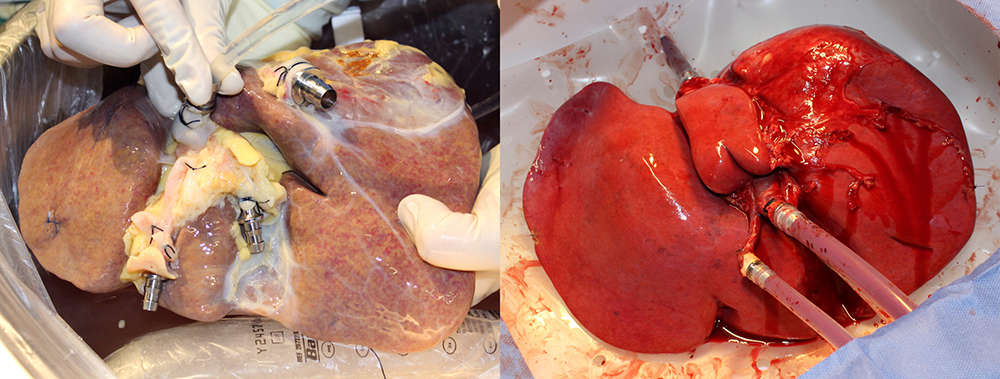
Scientists seem to have developed a machine that repairs injured human livers and keep them alive outside the body for one week.
The new perfusion technology, which is a major breakthrough in transplant medicine, may increase the number of available organs for transplantation and save the lives of many patients suffering from severe liver disease or a variety of cancers.
Global estimate shows that 844 million people have Chronic Liver Diseases CLD), with a mortality rate of two million deaths yearly, according to the National Center for Biotechnology Information (NCBI).
Also, according to the National statistics in the United Kingdom, liver diseases have been ranked as the fifth most common cause of death, killing around 11,000 people in England each year and has increased by 25 percent in the last decade, due to poor diet.
Another estimate recognises the liver disease as the second leading cause of mortality among all digestive diseases in the United States.
The NCBI further estimates that recent trends in morbidity and mortality indicate that patients with acute or chronic liver failure constitute five percent of all hospitalisations for cirrhosis.
Meanwhile, for those who have end-stage liver disease, transplant is the only option if they must survive.
According to experts, around 400 people are waiting in Britain for a liver at any one time, but one in 10 dies before an organ becomes available, or will need to be removed from the transplant list because their condition has deteriorated to the point where an operation is no longer possible.
But with the new innovation, researchers say the machine can save many lives of patients suffering from severe liver disease or a variety of cancers, and give surgeons more time to check that the organ used is the most suitable.
Until now, livers could be stored safely outside the body for only about eight to 10 hours on the ice, or 24 hours if hooked up to a special perfusion device, severely limiting how far they can be transported.
In 2018, there were about 975 liver transplants carried out, but a further 599 organs were rejected, meaning four in every 10 donated is wasted. But the new system could allow hundreds of discarded livers to be used.